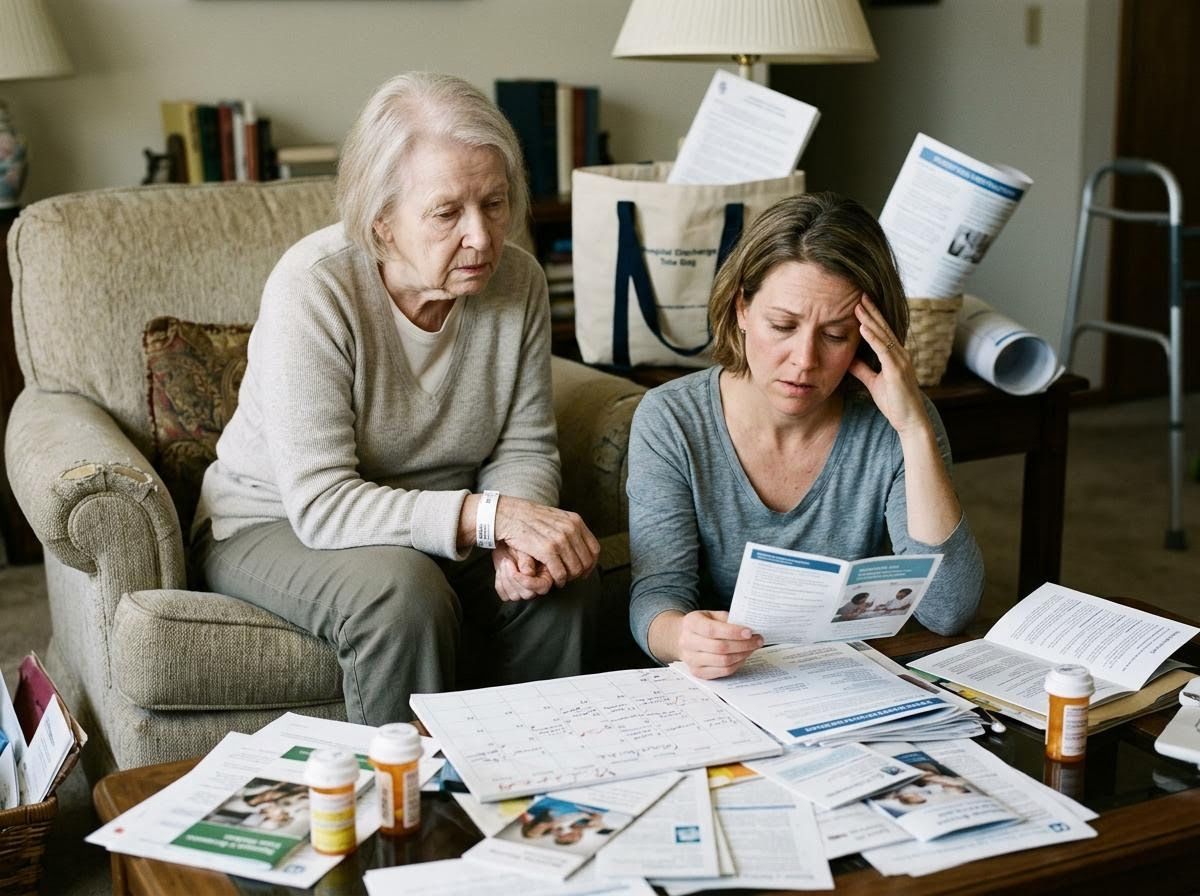
Hospital discharge day, while often anticipated with relief, can unexpectedly become one of the most vulnerable periods in a patient’s journey to recovery. Far from being an end point, it marks a critical transition that, if not managed with meticulous planning and support, can pose significant risks to a patient's health and well-being. At The Heart of Angels Home Care, we understand these complexities and advocate for thoughtful preparation during this crucial time.
The Overwhelm of Information and Communication Gaps
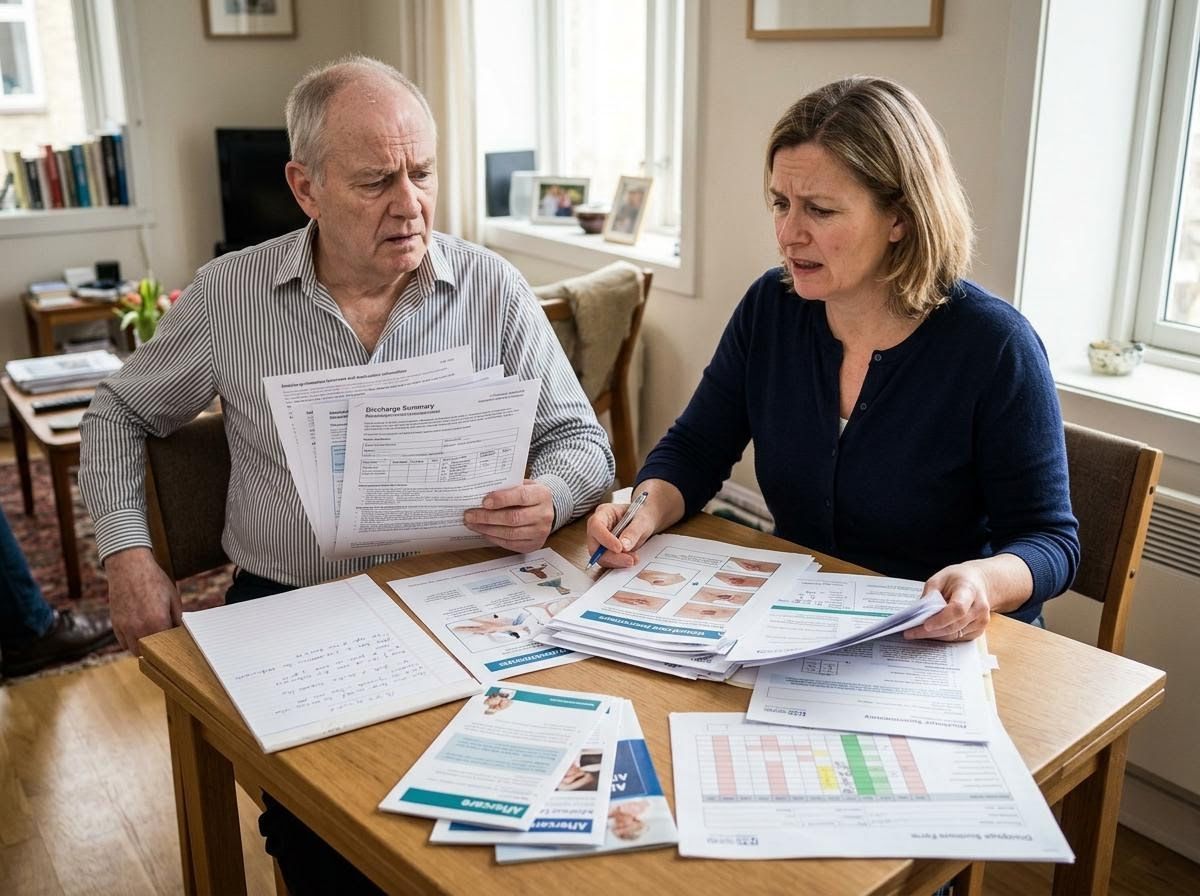
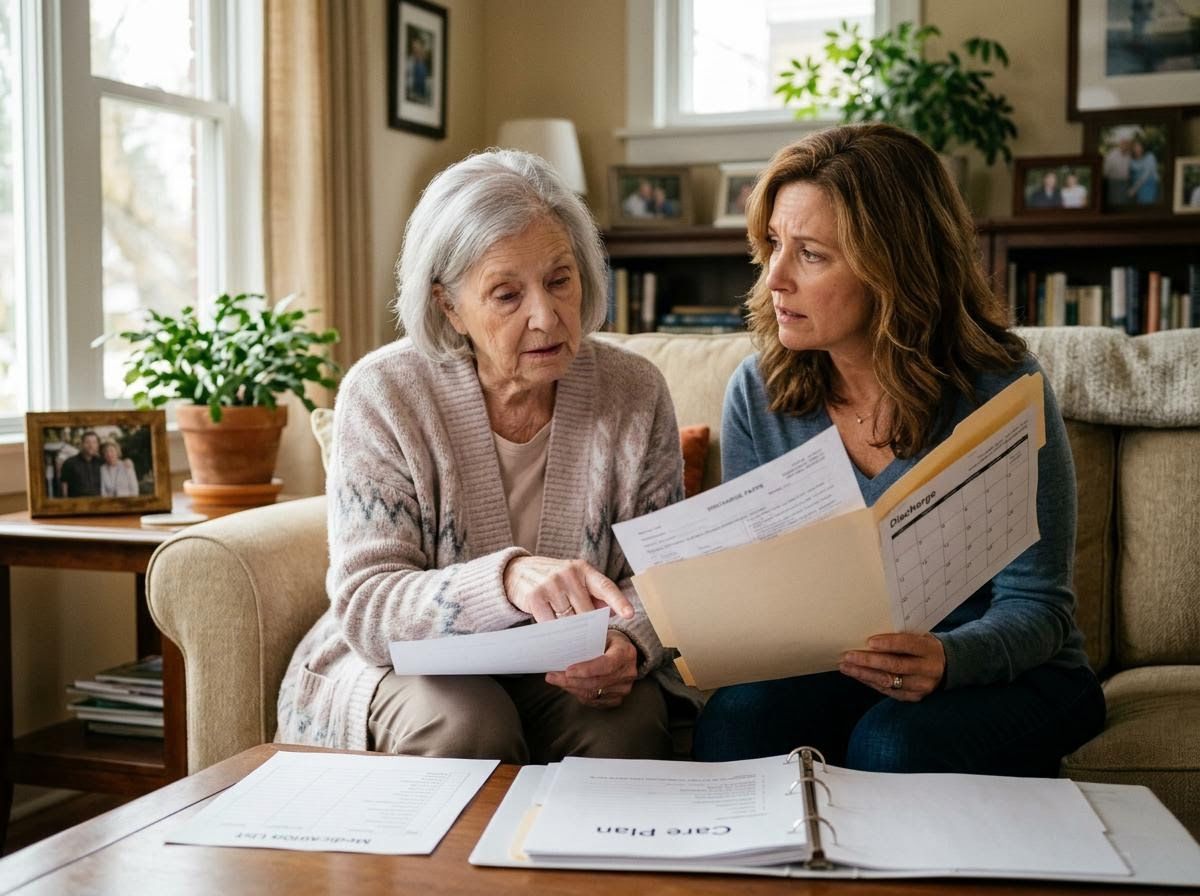
One of the primary challenges patients and their families face on discharge day is the sheer volume of information presented in a short timeframe. From intricate medication schedules and dosage instructions to complex wound care protocols, dietary restrictions, and follow-up appointment details, the flood of data can be incredibly overwhelming. Compounding this, communication can sometimes be fragmented, leading to misunderstandings or missed instructions. Patients may be too tired or unwell to fully absorb details, while family caregivers, often stressed and anxious, might struggle to remember everything. This information overload creates fertile ground for errors, increasing the risk of complications once the patient returns home.
The Physical and Emotional Vulnerabilities Post-Discharge
Leaving the structured, monitored environment of a hospital means patients are suddenly responsible for their own recovery, often while still in a state of physical and emotional fragility. Post-operative pain, lingering effects of anesthesia, or the general weakness from illness can significantly impair a patient’s ability to perform daily tasks or even make sound decisions. Emotionally, the transition can be stressful, triggering anxiety about managing symptoms, fear of falling, or simply the exhaustion of battling an illness. For family caregivers, the sudden responsibility of providing complex care can be daunting, leading to burnout and an increased risk of readmission if the patient's needs aren't adequately met or monitored.
Navigating the Labyrinth of Home Care and Follow-Up
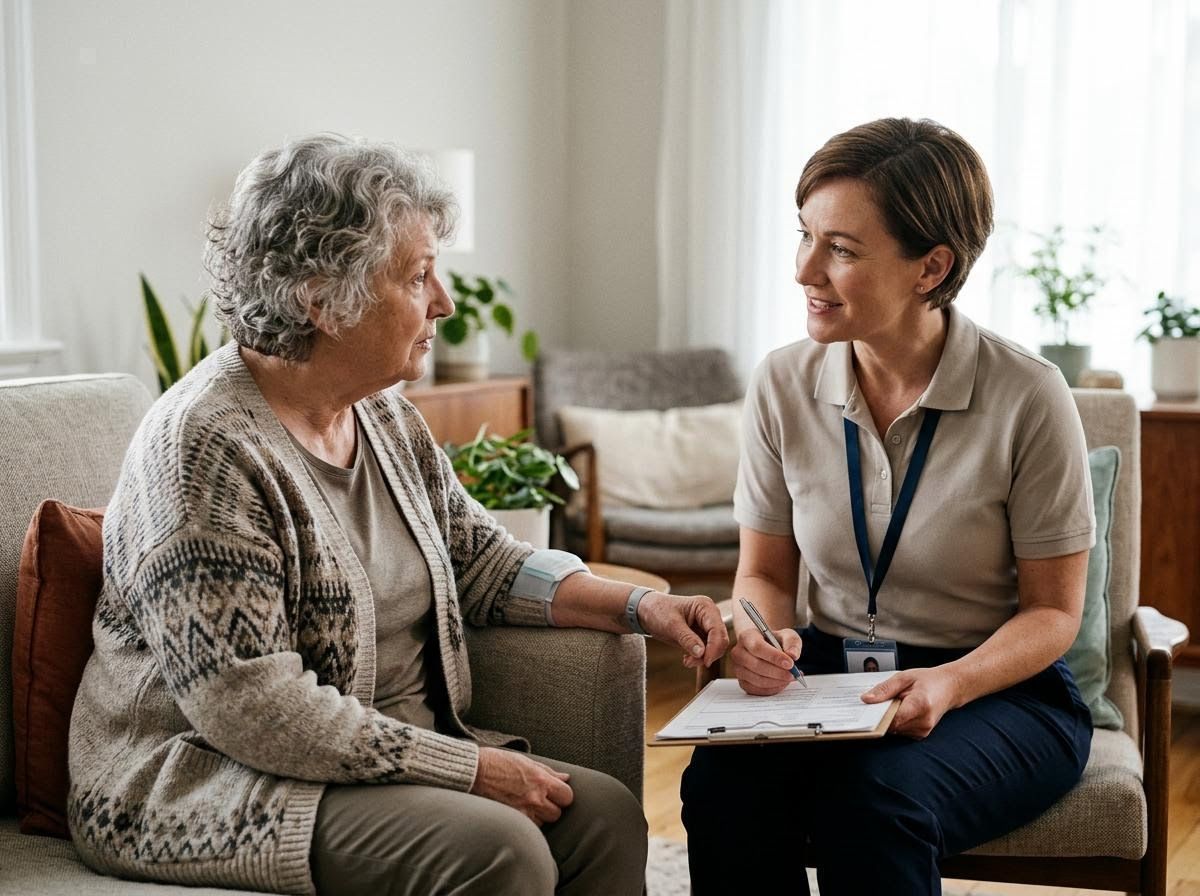
The journey home is just the beginning. Once outside the hospital walls, patients and their families often encounter new obstacles, from arranging accessible transportation for follow-up appointments to understanding and operating new medical equipment like oxygen concentrators or mobility aids. Scheduling necessary home health services, physical therapy, or other specialized care can be a complex administrative task. Without professional guidance, families might struggle to identify early warning signs of complications, leading to delayed intervention and potentially exacerbating conditions that could have been managed proactively. This gap in continuous, professional support is a significant contributor to the "danger zone" of post-discharge life.
Empowering Families Through Proactive Support
The often-overlooked burdens placed on family caregivers are substantial. Many are thrust into roles requiring medical knowledge and physical strength they may not possess, with little to no formal training. They balance their own responsibilities with the round-the-clock demands of caregiving, frequently leading to exhaustion, emotional distress, and a feeling of isolation. Providing care in such circumstances is not sustainable and can inadvertently compromise the patient's recovery. Recognizing and addressing this caregiver burden with structured support is not just beneficial for the caregiver but critical for the patient's long-term health outcomes.
Mitigating Risks for a Safer Transition
The "danger zone" of hospital discharge is real, but it doesn't have to be a journey taken alone. Understanding the challenges of information overload, physical and emotional vulnerabilities, and the complexities of navigating home care and caregiver burden is the first step toward a safer, smoother transition. Proactive planning and dedicated professional support can significantly mitigate these risks. To learn more about how comprehensive, personalized care can empower you or your loved one during this critical period, explore resources that guide you through making informed decisions for post-hospital care. The Heart of Angels Home Care is here to support you every step of the way, ensuring dignity and peace of mind during recovery.